Chad Purcell, MD FRCSC
Rhinology & Skull Base Surgery

Chad Purcell, MD FRCSC
Rhinology & Skull Base Surgery
Chronic sinusitis, also called chronic rhinosinusitis (CRS) is a common condition people of all ages and involves inflammation of the sinuses and nasal lining.
CRS is defined by symptoms last over 12 consecutive weeks.
What are the common symptoms of chronic sinusitis?
☐ Congestion
☐ Nasal obstruction
☐ Runny nose (rhinorrhea)
☐ Reduced sense of smell
☐ Facial pain or pressure
Certain patients may have pre-existing risks of developing CRS
Please see your primary care provider if you are experiencing sinonasal symptoms. Periods of these symptoms lasting less than a month often resolve with temporary treatments.
Your ENT specialist will require several criteria to be met for referral
2-4 of the common symptoms of CRS that have persisted for 2-3 months despite use of nasal steroid sprays or rinses over that time.
A CT scan of the sinuses without contrast
Chronic rhinosinusitis is a chronic medical condition.
Like with asthma, this condition occurs because of inflammation of the mucosa or lining of the airway.
Patients require long-term daily treatment with steroids targetted to the affected mucosa. In asthma, puffers are used to target the lungs.
With CRS, nasal steroids are used in spray or rinses (irrigations) to treat inflamed nasal mucosa.
Your ENT specialist will discuss with you the control of disease and suggest other treatment options was indicated including surgery, oral medications such as steroids or antibiotics, and biologic treatments.
Genetic
☐ Cystic fibrosis, primary ciliary dyskinesia, etc.
☐ Immunodeficiency
☐ Autoimmune disease
☐ AERD
Anatomical abnormalities
☐ Complications or scarring from prior surgery
☐ Tumours
☐ Foreign bodies
Environmental
☐ Allergy
☐ Smoking
☐ Irritant exposure
Who is at risk of developing chronic rhinosinusitis?
How is CRS diagnosed by an ENT specialist?
How is CRS treated by an ENT specialist?
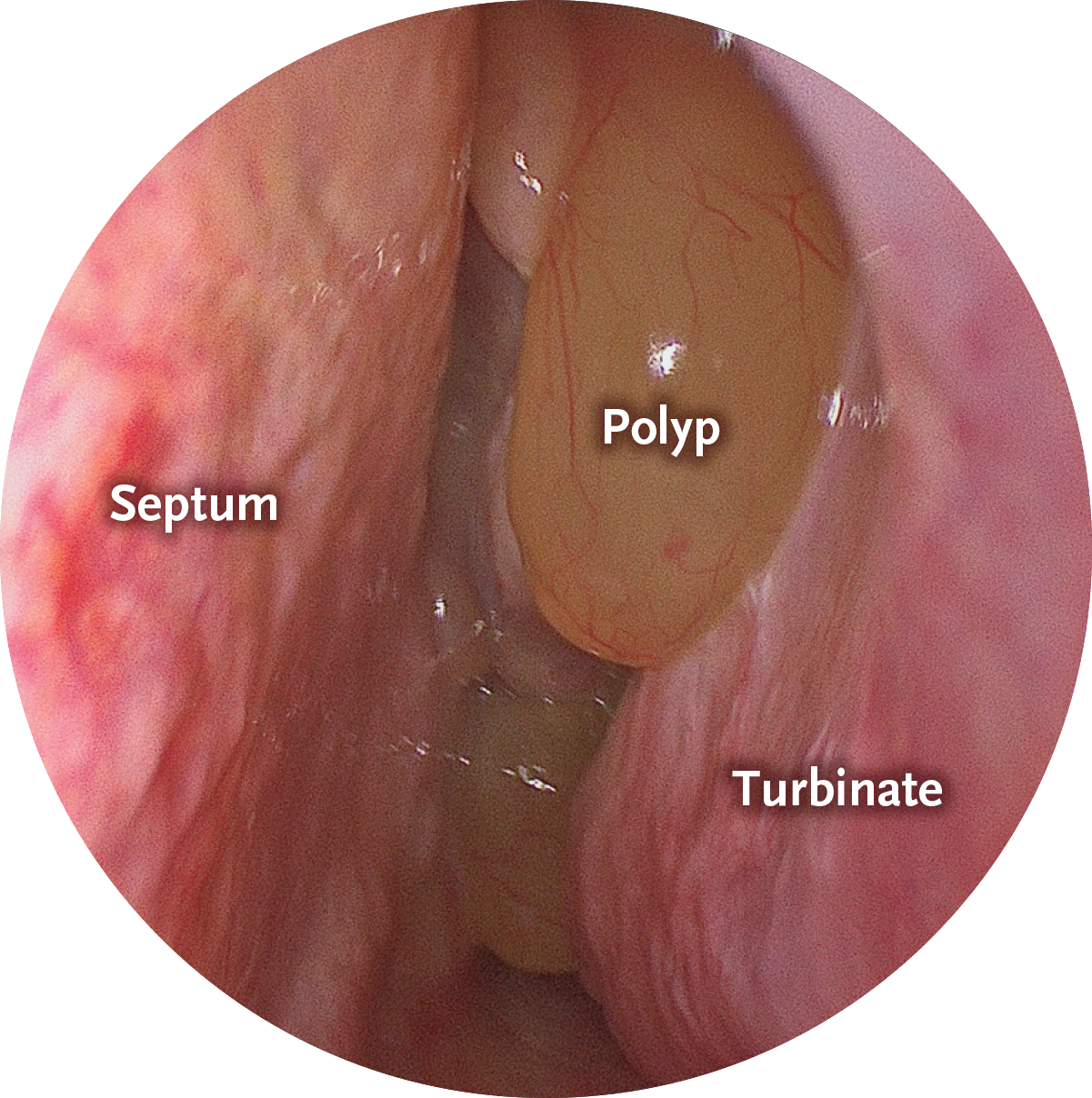
CRSwNP


Rhinitis refers to inflammation of the nasal cavity lining or mucosa
Allergic, non-allergic or a mix of both factors may trigger episodes
What are the symptoms of rhinitis?
What causes rhinitis?
☐ Runny nose, sneezing
☐ Itchy, watery eyes or throat
☐ Post-nasal drip
☐ Decreased sense of smell
☐ Sore throat, cough or headache
Viruses common cold and the flu
Bacteria some types of rhinitis are caused by bacteria
Irritants hot or spicy foods, alcohol, and some medicines
Allergens allergic rhinitis is caused by an immune reaction to allergens
pollen, dust, mold, and animal dander
Hormonal changes pregnancy, periods, birth control, and hypothyroidism
Weather temperature or weather changes
Aging elderly patients can have rhinitis for multiple reasons
Rhinitis is diagnosed based on the patient's report of symptoms
Your ENT specialist will discuss your ability to control this condition with medications and assess your nasal passageway.
Medical treatment options may include antihistamines, steroids, anticholinergic
Surgery may be discussed if there are any structural or anatomic features that may be contributing to your symptoms.
How is rhinitis diagnosed?
How is rhinitis treated by an ENT specialist?
Cerebrospinal fluid leaks are relatively uncommon.
If you or your healthcare providers suspect that you have a CSF leak, your surgeon will want to confirm that it is CSF, and then discuss how to repair the leak.
What symptoms may be associated with having a CSF leak?
☐ Runny nose
☐ often from only one nostril
☐ drips when bending forward,
straining or bearing down
☐ Has a salty taste
☐ Reduced sense of smell
☐ Nasal congestion
☐ Headache
☐ Improve when lying down.
☐ Worsen when standing, coughing or straining
Who is at risk of developing a CSF leak?
Patients at increased risk of elevated intracranial pressure or skull base defects are at risk of spontaneous CSF leak:
☐ Obesity
☐ Obstructive sleep apnea
☐ Previous / recent trauma or surgery
☐ Tumor at the skull base
☐ Irregularities of the skull base or inner ear
FOUR common mechanisms of CSF rhinorrhea
Trauma
- The most common cause
- Head injuries can result in fractures or defects in the skull base, allowing CSF to leak into the nasal cavity.
Iatrogenic
- These occur as a result of medical procedures or surgeries, particularly those involving the skull base or nasal cavity, which may inadvertently create a pathway for CSF leakage.
Tumor-Induced
- Tumors can erode bone and create a defect or hole in the dura mater - the thickest layer in the protective layer around the brain. This can lead to leakage of cerebrospinal fluid from around the tumor and out of the nose or down the patient's throat. This is called CSF rhinorrhea.
Spontaneous
- It is less common than types caused by physical injury or a tumor. These often requires surgical repair to prevent complications like meningitis or brain abscess
A septal perforation is a hole through the septum, or the dividing wall between either side of your nasal cavity. Perforations can occur in several different ways, can be symptomatic or asymptomatic, and can be treated with non-surgical or surgical interventions.
What are the symptoms of septal perforations?
What causes septal perforations?
☐ Whistling
☐ Epistaxis (nose bleeds)
☐ Crusting
☐ Reduced nasal airflow
☐ Previous surgery
☐ Nose Picking
☐ Intranasal drug use (ie: Cocaine)
☐ Medical conditions (ie: GPA)
There are several options for the management of septal perforations
☐ Non-surgical options may include: use of nasal lubricants or gels, placement of septal buttons to plug the hole,
☐ Surgery for nasal septal perforations involves working under the mucosa, or the lining of your nose to insert material and cover the hole with healthy tissue to encourage healing over the hole. This can be done in multiple ways. Your surgeon will discuss this further.
Nasoseptal perforations can be difficult to close, both in the surgery, as well as while healing. Failure of the hole to close is the most important risk.
Care must be taken after surgery to avoid touching your nose, rinse your nose with saline, keep your splints or packing in your nose until instructed.
How are septal perforations treated?
What are the risks of surgery to repair septal perforations?
What is a Septoplasty ?
Septoplasty is the term used to describe the surgical straightening of the nasal septum.
This surgery is indicated for patients with impaired airflow through the nose, issues with nasal drainage, or as a part of endoscopic sinus surgery. Often, patients will be asked to try using nasal steroid sprays before undergoing surgery. If their symptoms are controlled with sprays, they may not require surgery to straighten the septum.
What is involved in a septoplasty?
An Incision will be made into the lining of the nose, called the mucosa. Your surgeon will work under that lining to remove cartilage and bone that is bent, or deviated. The lining is placed back down and sutured with dissolvable sutures.
What are the risks of surgery?
Bleeding
Septal perforation A hole in the nasal septum is called a perforation. This can develop If the nasal lining (mucosa) heals poorly, or has torn on both sides during the surgery. Perforations may not be noticable to patients, or can crust, bleed or whistle as air passes through the perforation.
Will my nose look different?
No. A septoplasty should not change the external appearance of the nose
A septorhinoplasty is a more comprehensive nasal surgery, which involves a skin incision of the columella, and correction of nasal deformities. These surgeries are tailored to patients on di an individual basis.
A septal perforation is a hole through the septum, or the dividing wall between either side of your nasal cavity. Perforations can occur in several different ways, can be symptomatic or asymptomatic, and can be treated with non-surgical or surgical interventions.
What are the symptoms of septal perforations?
☐ Whistling
☐ Epistaxis (nose bleeds)
☐ Crusting
☐ Reduced nasal airflow
☐ Previous surgery
☐ Nose Picking
☐ Intranasal drug use (ie: Cocaine)
☐ Medical conditions (ie: GPA)
There are several options for the management of septal perforations
☐ Non-surgical options may include: use of nasal lubricants or gels, placement of septal buttons to plug the hole,
☐ Surgery for nasal septal perforations involves working under the mucosa, or the lining of your nose to insert material and cover the hole with healthy tissue to encourage healing over the hole. This can be done in multiple ways. Your surgeon will discuss this further.
Nasoseptal perforations can be difficult to close, both in the surgery, as well as while healing. Failure of the hole to close is the most important risk.
Care must be taken after surgery to avoid touching your nose, rinse your nose with saline, keep your splints or packing in your nose until instructed.
How would I know if I had a tumor?
Patients with symptoms of nasal congestion, blockage drainage or bleeding may have a benign condition, but sinonasal tumors can also present with these symptoms. Additional symptoms such as numbness, pain, vision loss, smell loss, or changes in physical appearance or expansion of the nose may be indicative of a mass within the nasal cavity or sinuses.
What is involved in process of identifying and treating tumors of the nose?
The first step in identifying sinonasal tumors is taking a history and completing a physical examination, including looking in your nose with an endoscope. CT, MRI and/or PET imaging may be required to better evaluate the tumor and determine what tissues are involved. A biopsy may be taken to provide a diagnosis to formulate a specific plan for the tumor type prior to initiating treatment.
Next Steps
One we have the necessary pieces of information, tumor cases are discussed by a multidiciplinbary team called the Tumor Board. The tumor board is a group of physicians who work together to review the patient's history and physical examination findings as well as
What is the role of surgery?
Surgery is often the treatment of choice for sinonasal tumors, with some exceptions. In some cases, additional treatments including medication, chemotherapy, radiation therapy or further surgery may be recommended.
Comprehensive Otolaryngology services are also provided
Dr. Purcell is trained in providing comprehensive care in otolaryngology.
Please contact your primary care provider for an appointment.